Respiratory Tract Related Pathogens Panel

Back to Full-Length Pathogen Capture Panels

Understanding Respiratory Pathogens

Respiratory pathogens are microorganisms that can invade and colonize the human respiratory system (including upper and lower respiratory tract) and cause infectious diseases. They are typically transmitted through droplets, aerosols, or contact, leading to a variety of clinical manifestations ranging from mild throat discomfort to severe pneumonia.

In community-acquired upper respiratory tract infections (such as common cold and pharyngitis), viruses are the most common causative agents. In community-acquired pneumonia (CAP), bacteria (especially Streptococcus pneumoniae, Haemophilus influenzae, and Mycoplasma) predominate. For immunocompromised individuals, attention must also be paid to fungal infections (P. jirovecii, Aspergillus) and drug-resistant mycobacterial infections.

iGeneTech, leveraging proprietary TargetSeq® liquid-phase probe hybridization capture technology and unique microbial probe design schemes, is committed to solving important challenges including viral variant monitoring, low-abundance virus sample detection, and host traceability. We have developed multiple respiratory pathogen whole-genome detection kits.

Comprehensive Respiratory Pathogen Detection Panels

Complete portfolio of targeted panels for specific respiratory pathogens

Panel Name Pathogen Target Scientific Name Accession Number Genome Size Database Count Probe Count
Influenza A/B/C Virus Panel Influenza A virus Influenza A virus 11320 13.5 kb 1250451 33609
Influenza B virus Influenza B virus 11520 13.3 kb
Influenza C virus Influenza C virus 11552 12.1 kb
SARS-CoV-2 Panel COVID-19 Severe acute respiratory syndrome coronavirus 2 2697049 29.9 kb 3045955 11547
Pathogenic Coronavirus Panel Human coronavirus 229E Human coronavirus 229E 11137 27.3 kb 146 30476
Human coronavirus HKU1 Human coronavirus HKU1 290028 29.9 kb
Human coronavirus NL63 Human coronavirus NL63 277944 27.6 kb
Human coronavirus OC43 Human coronavirus OC43 31631 30.7 kb
Other pathogenic coronaviruses MERS-CoV, SARS-CoV 1335626, 694009 30.1 kb
Human Respiratory Syncytial Virus Panel RSV-A Human respiratory syncytial virus A 208893 15.2 kb 3026 5391
RSV-B Human respiratory syncytial virus B 208895 15.3 kb
Human Metapneumovirus Panel hMPV Human metapneumovirus 162145 13.3 kb 413 6055
Human Parainfluenza Virus Panel Parainfluenza 1 Human respirovirus 1 12730 15.6 kb 145 10477
Parainfluenza 3 Human respirovirus 3 11216 15.5 kb
Parainfluenza 2 Human orthorubulavirus 2 2560525 15.6 kb
Parainfluenza 4 Human orthorubulavirus 4 2560526 17.4 kb
Human Mastadenovirus Panel Adenovirus A Human mastadenovirus A 129875 34.1 kb 145 57826
Adenovirus B Human mastadenovirus B 108098 35.3 kb
Adenovirus C Human mastadenovirus C 129951 35.9 kb
Adenovirus D Human mastadenovirus D 130310 35.1 kb
Adenovirus E Human mastadenovirus E 130308 36 kb
Adenovirus F/G Human mastadenovirus F/G 130309, 536079 34.2 kb
Rhinovirus Panel Rhinovirus A Rhinovirus A 147711 7.2 kb 902 113845
Rhinovirus B Rhinovirus B 147712 7.3 kb
Rhinovirus C Rhinovirus C 463676 7.1 kb
Varicella-Zoster Virus Panel VZV Human alphaherpesvirus 3/Varicella-zoster virus 10335 124.9 kb 162 15847
Mycoplasma Pneumoniae Panel M. pneumoniae Mycoplasma pneumoniae 2104 823 kb 81 22637
Chlamydia Psittaci Panel C. psittaci Chlamydia psittaci 83554 1.2 Mb 95 166256
Chlamydia Pneumoniae Panel C. pneumoniae Chlamydia pneumoniae 83558 1.2 Mb 14 42767
Chlamydia Trachomatis Panel C. trachomatis Chlamydia trachomatis 813 1 Mb 316 52810
Bordetella Pertussis Panel B. pertussis Bordetella pertussis 520 4.1 Mb 949 89635
Mycobacterium Tuberculosis Panel M. tuberculosis Mycobacterium tuberculosis 1773 4.5 Mb 495 202851
Haemophilus Influenzae Panel H. influenzae Haemophilus influenzae 727 1.9 Mb 119 193690
Streptococcus Pyogenes Panel Group A Streptococcus Streptococcus pyogenes 1314 1.7 Mb 305 123724
Klebsiella Pneumoniae Panel K. pneumoniae Klebsiella pneumoniae 573 5.7 Mb 15220 1195288
Acinetobacter Baumannii Panel A. baumannii Acinetobacter baumannii 470 4 Mb 2177 600247
Streptococcus Pneumoniae Panel S. pneumoniae Streptococcus pneumoniae 1313 2.1 Mb 247 154689

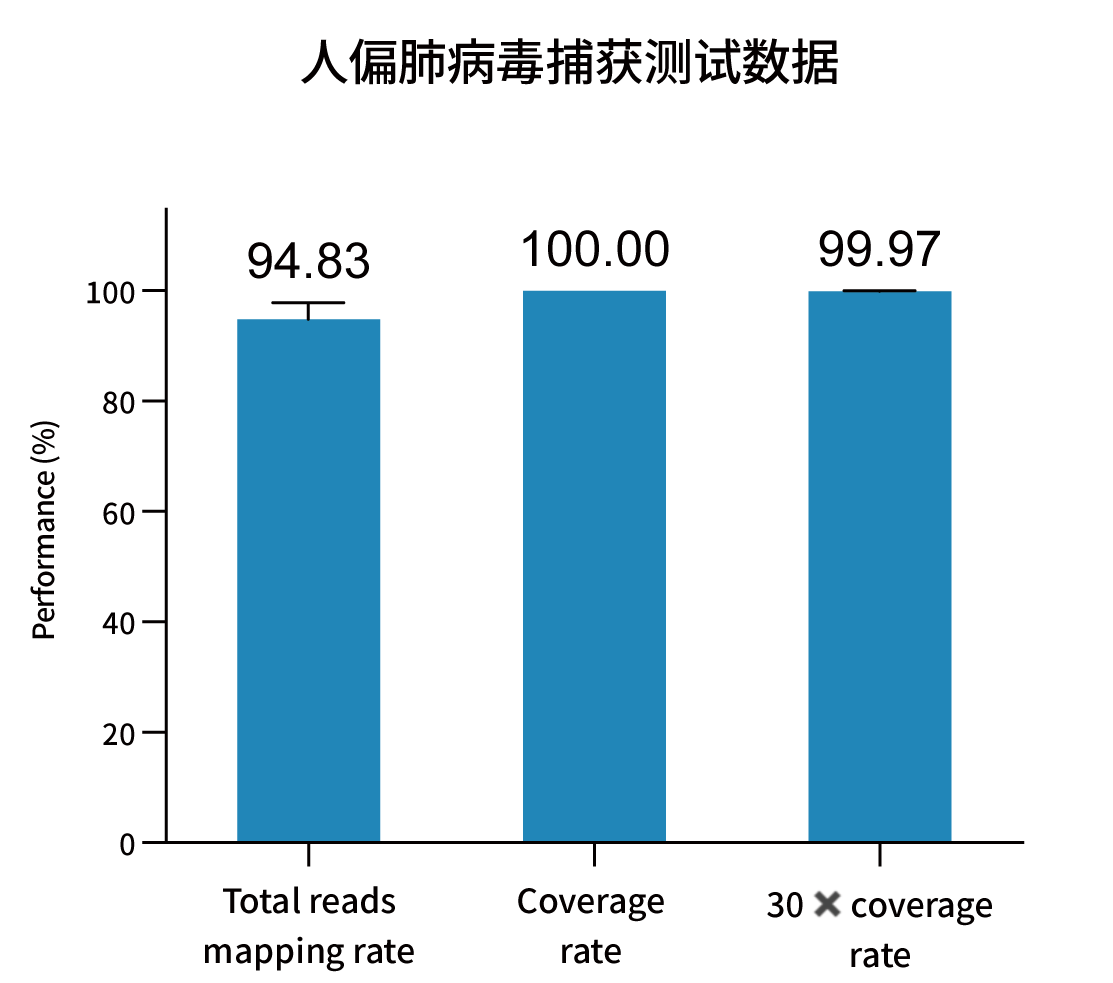
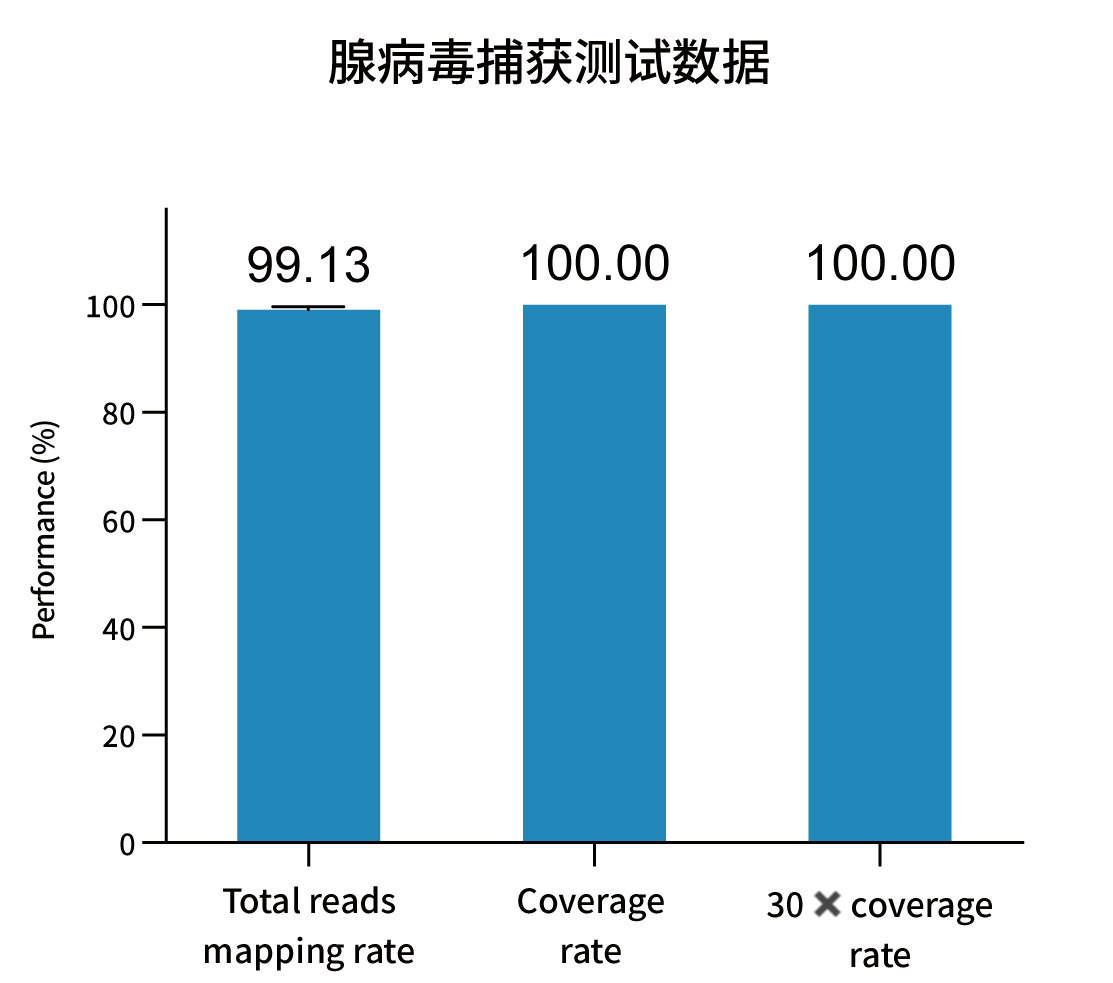
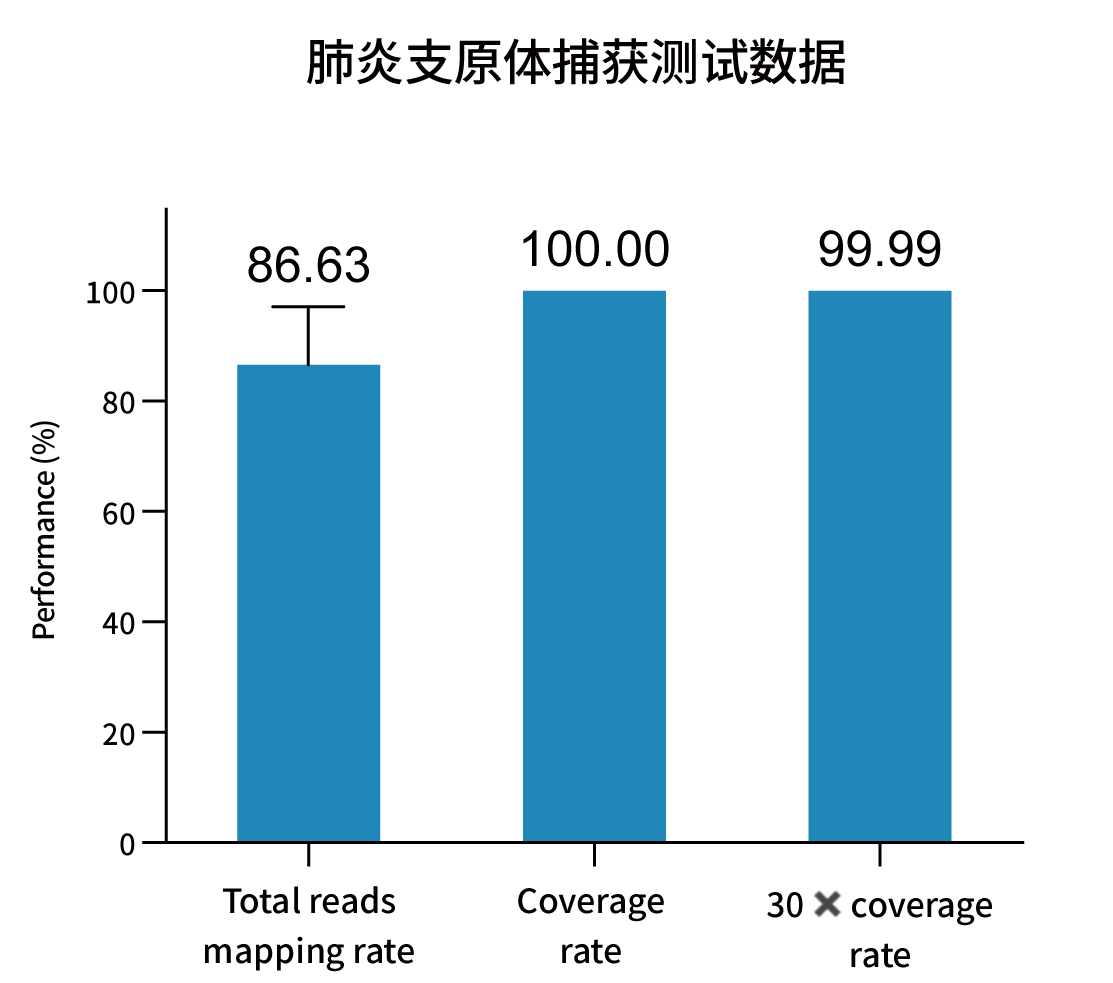
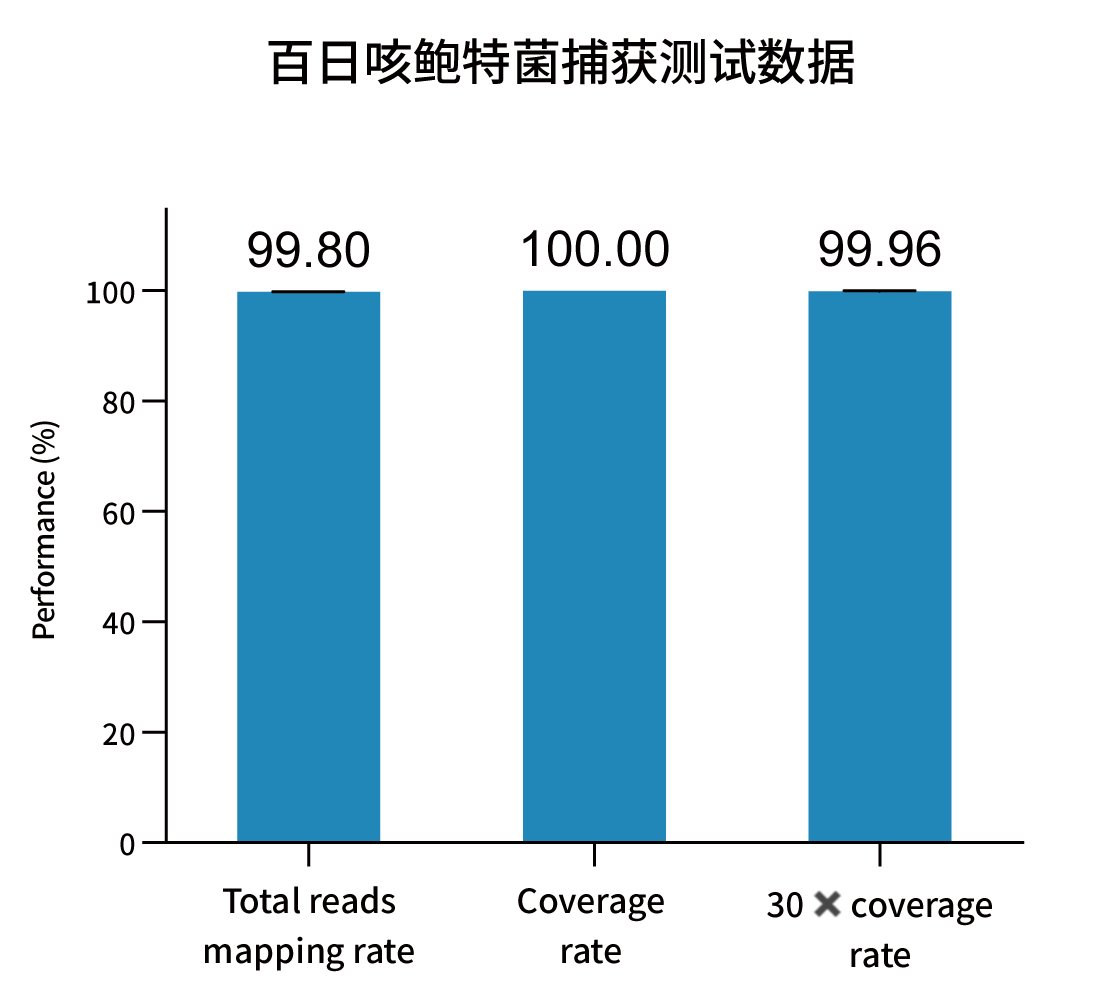
Performance — Measured Results

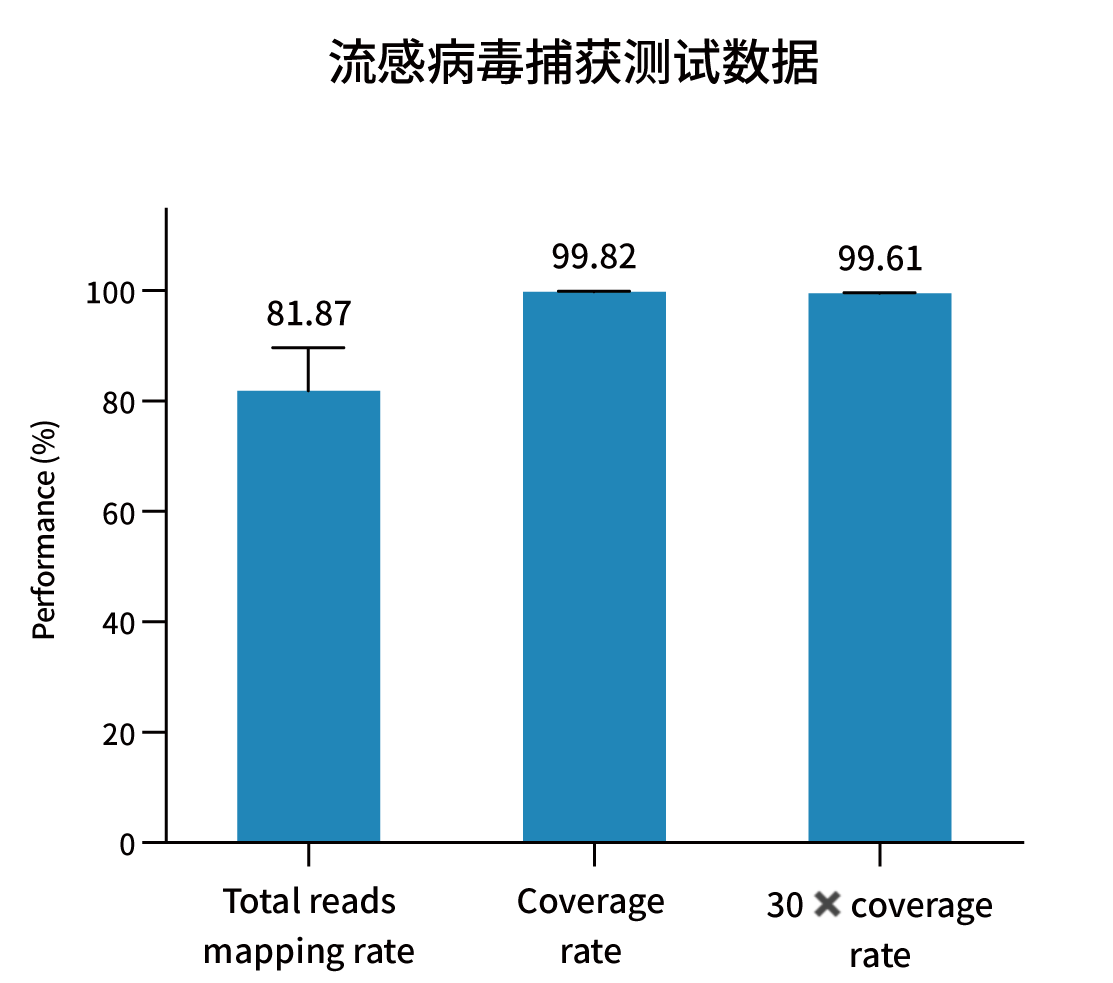
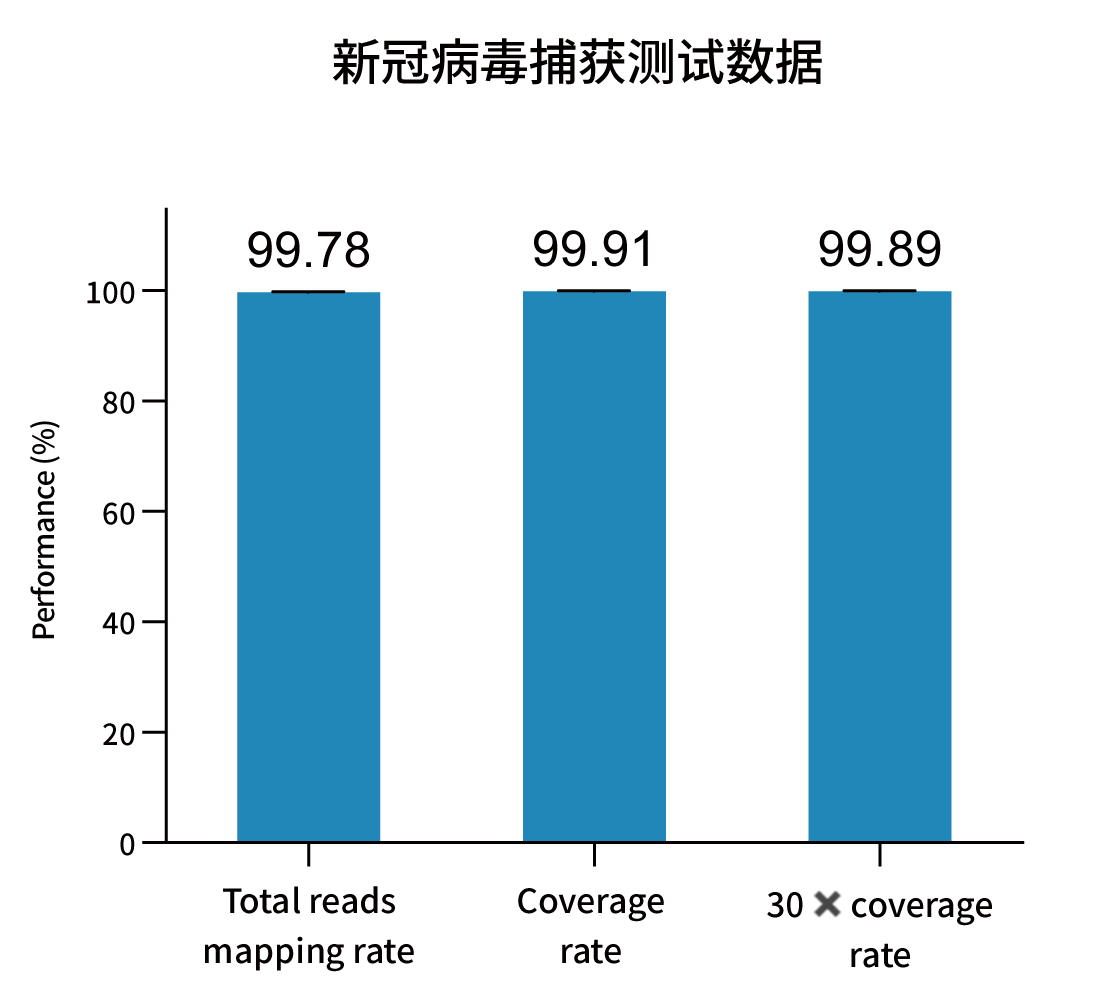
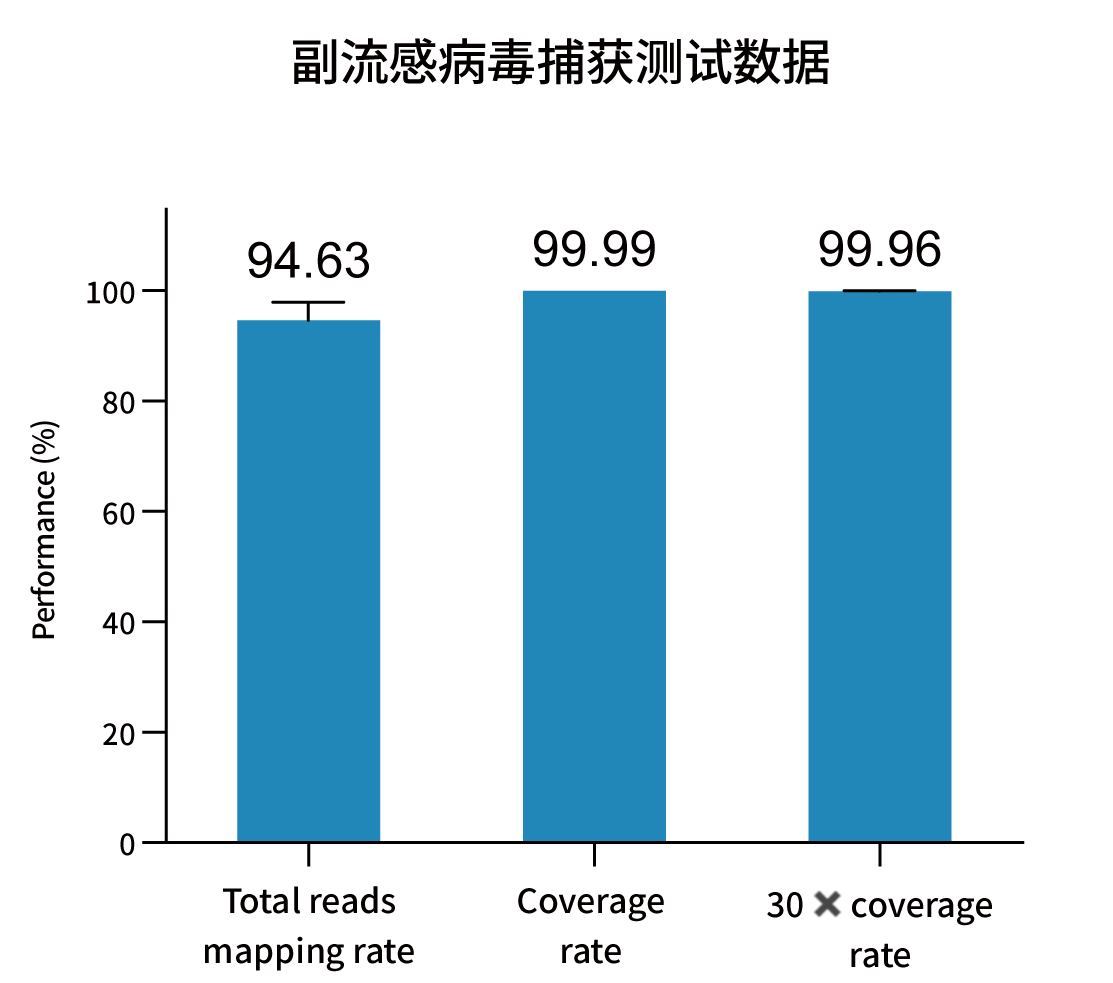
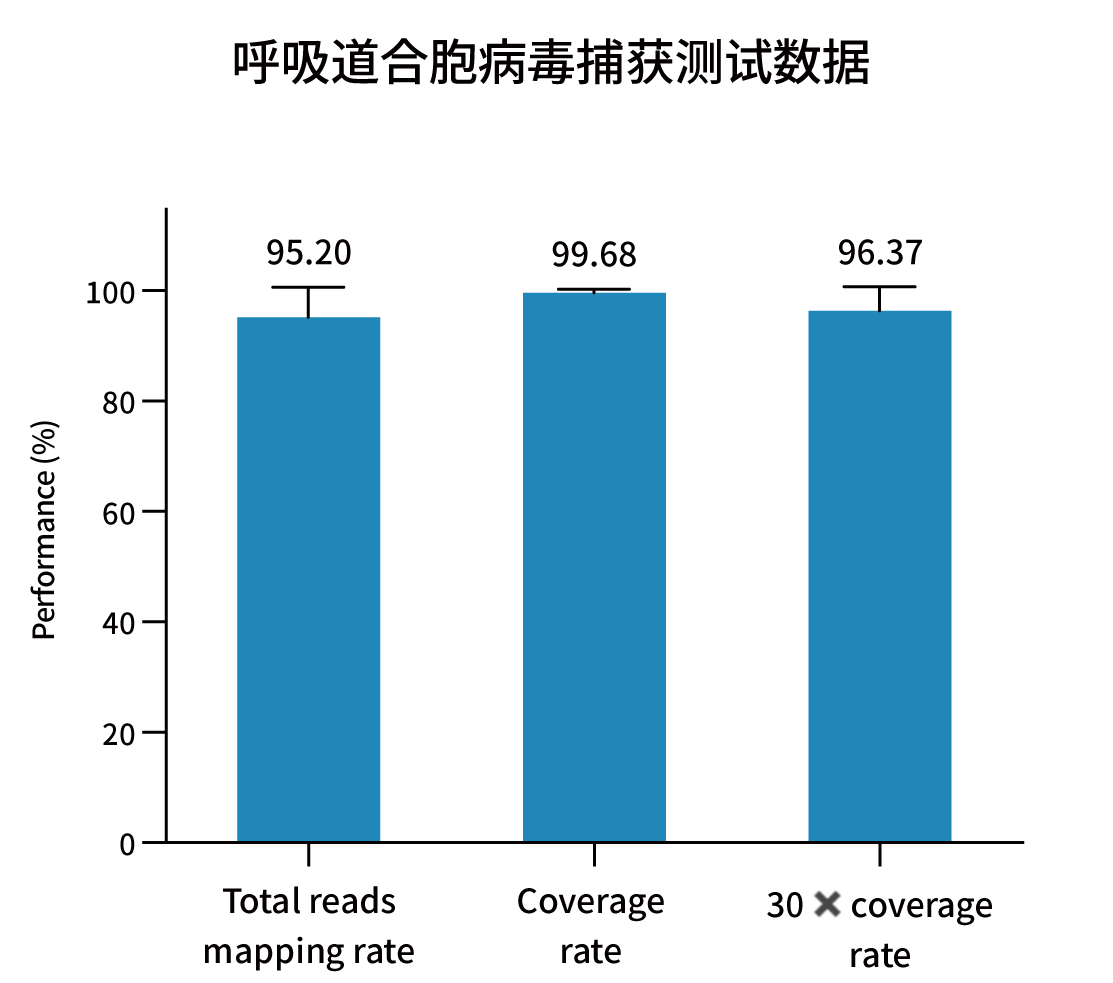
Selected measured metrics and coverage demonstration for representative pathogens (figures from internal validation).

Ordering Information — Catalog & Pack Sizes

Available pack sizes and catalog numbers for each panel.

Panel 16 rxn 96 rxn Order
Influenza A/B/C Virus PanelPH2000051PH2000052
SARS-CoV-2 PanelPH2001721PH2001722
Pathogenic Coronavirus PanelPH2001541PH2001542
Human Respiratory Syncytial Virus PanelPH2000701PH2000702
Human Metapneumovirus PanelPH2001131PH2001132
Human Parainfluenza Virus PanelPH2001381PH2001382
Human Mastadenovirus PanelPH2001061PH2001062
Rhinovirus PanelPH2001881PH2001882
Varicella-Zoster Virus PanelPH2004171PH2004172
Mycoplasma Pneumoniae PanelPH2000031PH2000032
Chlamydia Psittaci PanelPH2002161PH2002162
Chlamydia Pneumoniae PanelPH2005771PH2005772
Chlamydia Trachomatis PanelPH2006071PH2006072
Bordetella Pertussis PanelPH2001121PH2001122
Mycobacterium Tuberculosis PanelPH2001181PH2001182
Haemophilus Influenzae PanelPH2003791PH2003792
Streptococcus Pyogenes PanelPH2003471PH2003472
Klebsiella Pneumoniae PanelPH2003601PH2003602
Acinetobacter Baumannii PanelPH2003581PH2003582
Streptococcus Pneumoniae PanelPH2003591PH2003592

Why Choose OmniCapture Respiratory Panel

Industry-leading technology for respiratory pathogen detection

Comprehensive Coverage

Detects over 50 respiratory pathogens in a single test, reducing the need for multiple assays

Full-Genome Capture

Complete genome sequencing enables variant detection and strain typing

High Sensitivity

Detects low-level pathogens with high enrichment efficiency

Co-Infection Detection

Identifies multiple pathogens simultaneously, including co-infections

Standardized Workflow

Compatible with automated platforms for consistent results

Regulatory Ready

Designed to meet clinical testing requirements and quality standards

References

Key publications and validation references.

  1. Yu F, Ma N, Zhang X, et al. Comprehensive investigating of cytokine and receptor related genes variants in patients with chronic hepatitis B virus infection. Cytokine. 2018 Mar;103:10-14.
  2. Pang X, Ren L, et al. Cold-chain food contamination as the possible origin of COVID-19 resurgence in Beijing. Natl Sci Rev. 2020 Oct 23;7(12):1861-1864.
  3. Du P, Ding N, et al. Genomic surveillance of COVID-19 cases in Beijing. Nat Commun. 2020 Oct 30;11(1):5503.
  4. Chen C, Li J, et al. MINERVA: A Facile Strategy for SARS-CoV-2 Whole-Genome Deep Sequencing of Clinical Samples. Mol Cell. 2020 Dec 17;80(6):1123-1134.e4.
  5. Xu Y, Kang L, et al. Dynamics of severe acute respiratory syndrome coronavirus 2 genome variants in the feces during convalescence. J Genet Genomics. 2020 Oct 20;47(10):610-617.
  6. Wu X, Ning C, et al. A 3,000-year-old, basal S. enterica lineage from Bronze Age Xinjiang suggests spread along the Proto-Silk Road. PLoS Pathog. 2021 Sep 21;17(9):e1009886.
  7. Zhang J, Ding N, et al. Phylogenomic tracing of asymptomatic transmission in a COVID-19 outbreak. Innovation (Camb). 2021 May 28;2(2):100099.
  8. Li J, Du P, et al. Two-step fitness selection for intra-host variations in SARS-CoV-2. Cell Rep. 2022 Jan 11;38(2):110205.
  9. Song S, Li C, et al. Genomic Epidemiology of SARS-CoV-2 in Pakistan. Genomics Proteomics Bioinformatics. 2021 Oct;19(5):727-740.
  10. Zhang J, Tian X, et al. Feasibility and Accuracy of Menstrual Blood Testing for High-risk Human Papillomavirus Detection With Capture Sequencing. JAMA Netw Open. 2021 Dec 1;4(12):e2140644.
  11. Li P, Ke Y, et al. Targeted screening of genetic associations with COVID-19 susceptibility and severity. Front Genet. 2022 Nov 30;13:1073880.
  12. Pu R, Liu W, et al. The Effects and Underlying Mechanisms of Hepatitis B Virus X Gene Mutants on the Development of Hepatocellular Carcinoma. Front Oncol. 2022 Feb 10;12:836517.
  13. Zhang M, Zhang H, et al. Liver biopsy of chronic hepatitis B patients indicates HBV integration profile may complicate the endpoint and effect of entecavir treatment. Antiviral Res. 2022 Aug;204:105363.
  14. Shen C, Li Y, et al. HTLV-1 infection of donor-derived T cells might promote acute graft-versus-host disease following liver transplantation. Nat Commun. 2022 Nov 30;13(1):7368.
  15. Liu W, Cai S, et al. HBV preS Mutations Promote Hepatocarcinogenesis by Inducing Endoplasmic Reticulum Stress and Upregulating Inflammatory Signaling. Cancers (Basel). 2022 Jul 4;14(13):3274.
  16. Wang Y, Nan X, et al. Consumption of Supplementary Inulin Modulates Milk Microbiota and Metabolites in Dairy Cows with Subclinical Mastitis. Appl Environ Microbiol. 2022 Feb 22;88(4):e0205921.
  17. Lang B, Cao C, et al. Genomic alterations related to HPV infection status in a cohort of Chinese prostate cancer patients. Eur J Med Res. 2023 Jul 17;28(1):239.
  18. Adeola AC, Luka PD, et al. Target capture sequencing for the first Nigerian genotype I ASFV genome. Microb Genom. 2023 Jul;9(7):mgen001069.
  19. Sun B, Andrades Valtueña A, et al. Origin and dispersal history of Hepatitis B virus in Eastern Eurasia. Nat Commun. 2024 Apr 5;15(1):2951.
  20. Wang Z, Liu C, et al. Long-read sequencing reveals the structural complexity of genomic integration of HPV DNA in cervical cancer cell lines. BMC Genomics. 2024 Feb 20;25(1):198.
  21. Yang Z, Zeng J, et al. Detection of HBV DNA integration in plasma cell-free DNA of different HBV diseases utilizing DNA capture strategy. Virol Sin. 2024 Aug;39(4):655-666.

Ready to Enhance Your Respiratory Testing?

Contact our team to learn more about the Respiratory Tract Related Pathogens Panel and how it can benefit your laboratory or research facility.